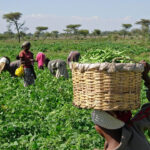
Yes, Adekunle Ajasin University (AAUA), Akungba-Akoko, offers Agricultural Economics as part of its robust Faculty of Agriculture. This post provides a detailed breakdown of what this means for prospective students and why it matters.
Brief History of Adekunle Ajasin University
Adekunle Ajasin University, originally established in 1982 as Obafemi Awolowo University, Ado-Ekiti, has since evolved into a top-ranking state university. Relocated to Akungba-Akoko and renamed in 2002 in honour of the late governor Adekunle Ajasin, the university has continued to grow in academic influence, especially in the agricultural sciences.
Programme Overview: Agricultural Economics
The Department of Agricultural Economics and Extension is a vital arm of AAUA’s Faculty of Agriculture. The degree programme offers an interdisciplinary approach, blending agriculture, economics, statistics, and policy-making. Students learn to analyse agricultural data, manage farm finances, and shape agricultural policy to improve food security and rural livelihoods.
Course Content Includes
- Principles of Agricultural Economics
- Farm Management and Production Economics
- Agricultural Marketing
- Econometrics and Statistical Methods
- Agricultural Finance
- Rural Development and Extension
This mix ensures students are not only grounded in theory but also exposed to real-world agricultural challenges through fieldwork, projects, and case studies.
Admission Requirements
Candidates must meet both UTME and O’Level prerequisites:
UTME Subjects:
- English Language
- Chemistry
- Biology/Agricultural Science
- Mathematics or Physics
O’Level Requirements:
- Five credits including English Language, Mathematics, Chemistry, Biology/Agricultural Science, and one relevant subject (e.g., Economics or Geography).
UTME Cut-Off Mark: 180 and above (subject to yearly variation).
Duration and Certification
The Course degree spans four years for UTME candidates and three years for Direct Entry students. Upon graduation, students receive a Bachelor of Agriculture (B.Agric) with a specialisation in Agricultural Economics.
Career Prospects
Graduates can pursue roles in:
- Agribusiness firms
- Government agriculture ministries
- Non-governmental organisations (NGOs)
- Research institutions
- Policy-making bodies
- Private agricultural enterprises
The course is ideal for those who wish to blend economic strategy with agricultural development goals.
Frequently Asked Questions
Q: Is Agricultural Economics different from general Agriculture?
A: Yes. While general Agriculture covers broad farming principles, Agricultural Economics focuses on the business, financial, and policy aspects of agriculture.
Q: Does the programme include practical training?
A: Yes, students engage in fieldwork, internships, and rural development projects.
Q: Can I pursue postgraduate studies after this course?
A: Absolutely. Graduates can enrol in MSc and PhD programmes in Agricultural Economics or related fields.
Conclusion
Agricultural Economics at AAUA is more than just a course; it is a platform for nurturing future agribusiness leaders and policy shapers. The programme’s relevance in today’s economy cannot be overstated, especially in a country like Nigeria where agriculture is pivotal to national development.
If you’re considering a future in agriculture with a focus on economic impact, this is a course worth pursuing at AAUA.